.png)
Marcelo Salas
Wembley's
Matador
Marcelo Salas
Wembley's
Matador
Few goals transcend time. Marcelo Salas’s stunning volley against England is one of them. It’s one of the most beautiful goals Wembley Stadium has ever seen. On the night of February 11th 1998, more than 65,000 spectators witnessed the Chilean forward’s magical one-touch control as José Luis Sierra delivered a clinical assist to set the stage for one of the greatest goals in Chilean football history.
Chile’s performance was simply spectacular. Managed by Nelson Acosta,
“La Roja” faced England, one of Europe’s strongest teams then, as part
of a global tour warm-up that included Asia and Oceania for the 1998
FIFA World Cup.
Beyond just a friendly match, this was a chance for the Chilean team
to redeem itself. In 1989, both teams faced each other in a forgetful
match that led the British press to label it “the most embarrassing in
Wembley’s history.” Chile rewrote that narrative years later, and
Marcelo Salas made a bold statement. He made his debut on European
soil and didn’t just meet expectations; he shattered them. He led the
Chilean team and scored two goals in a performance that echoed across
Europe.
Salas’s first goal is a masterpiece. English papers labelled it as
“one of the most beautiful goals Wembley has ever seen.” José Luis
Sierra delivered a perfect 40-meter pass that Salas controlled with
his left thigh and quickly volleyed the ball before touching the
pitch. His second was a coolly converted penalty after completely
outclassing Sol Campbell, who struggled all night to contain him. The
number “11” performance shadowed 18-year-old Michael Owen, future
Ballon d’Or winner, debut for England’s first-team.

Coach: Glenn Hoddle
Coach: Nelson Acosta
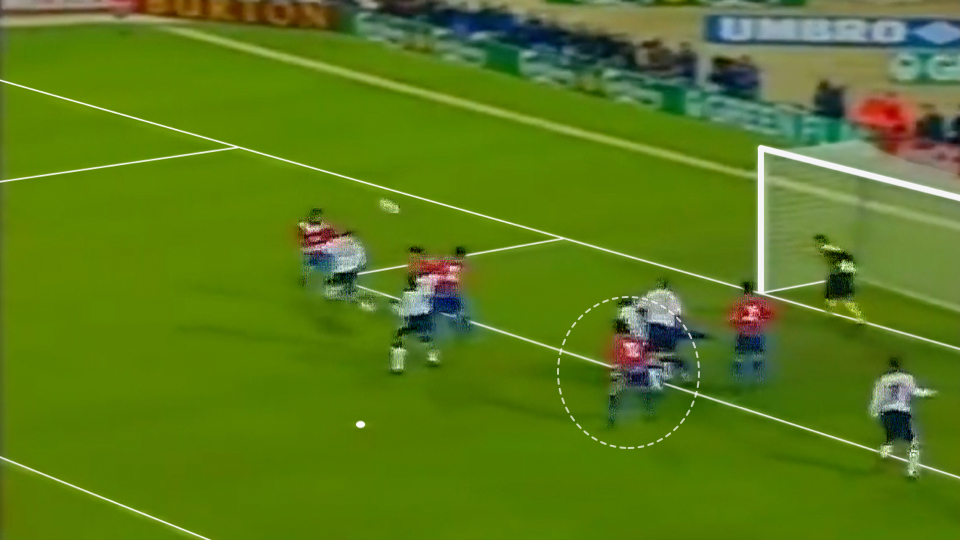
44:19
Chile’s defence clears an England free kick. Clarence Acuña seizes the ball and starts the counterattack.
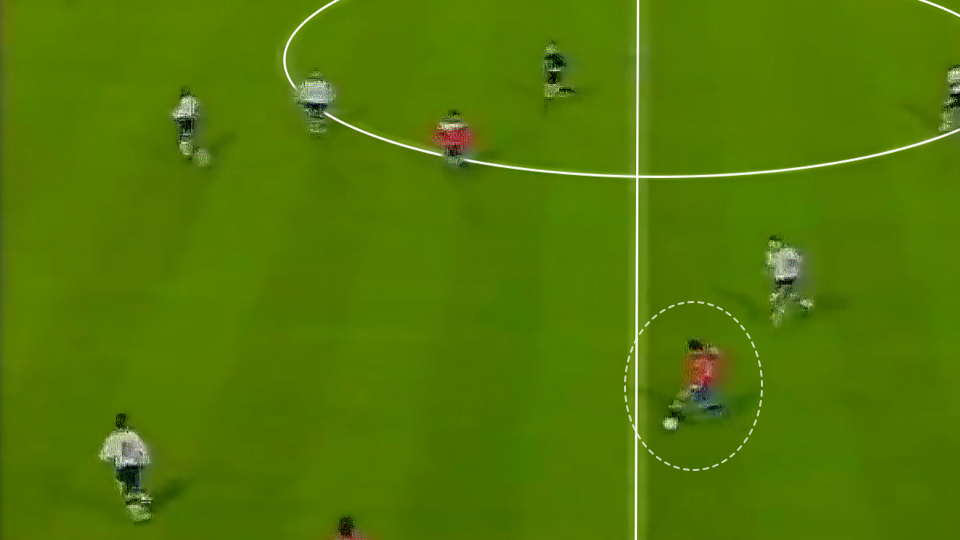
44:30
Acuña drives to midfield and passes to José Luis Sierra, who scans the field and delivers a perfect long pass.
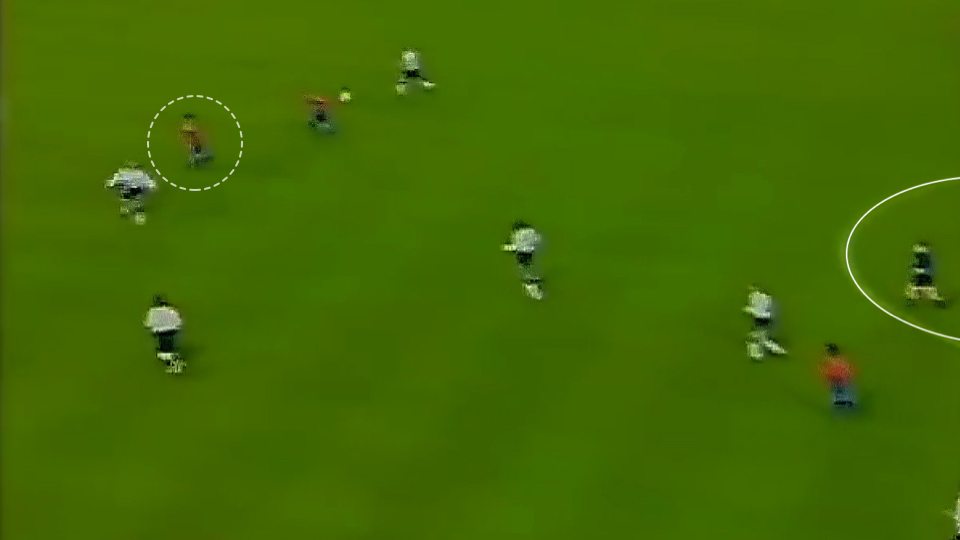
44:31
Salas times his sprint and slips behind English defenders. Rodrigo Barrera joins in attack.
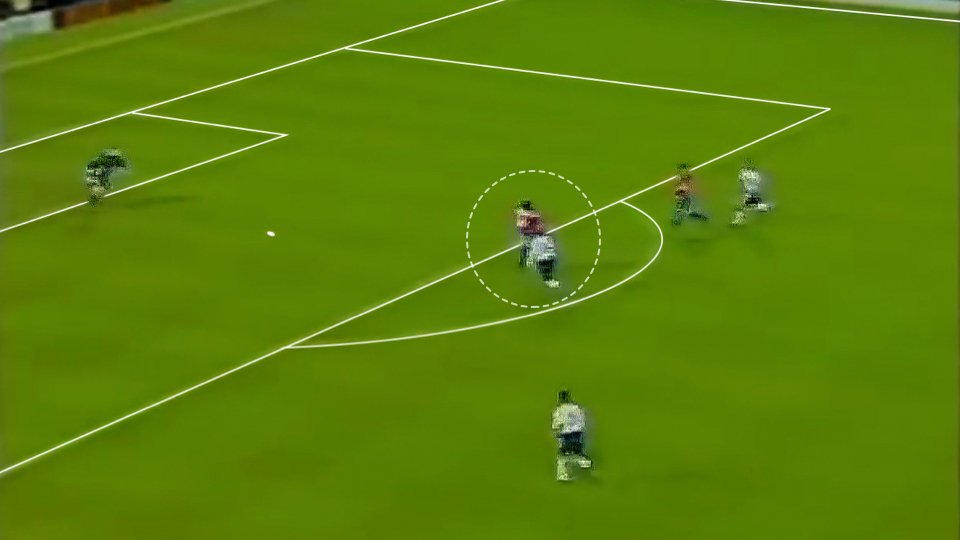
44:32
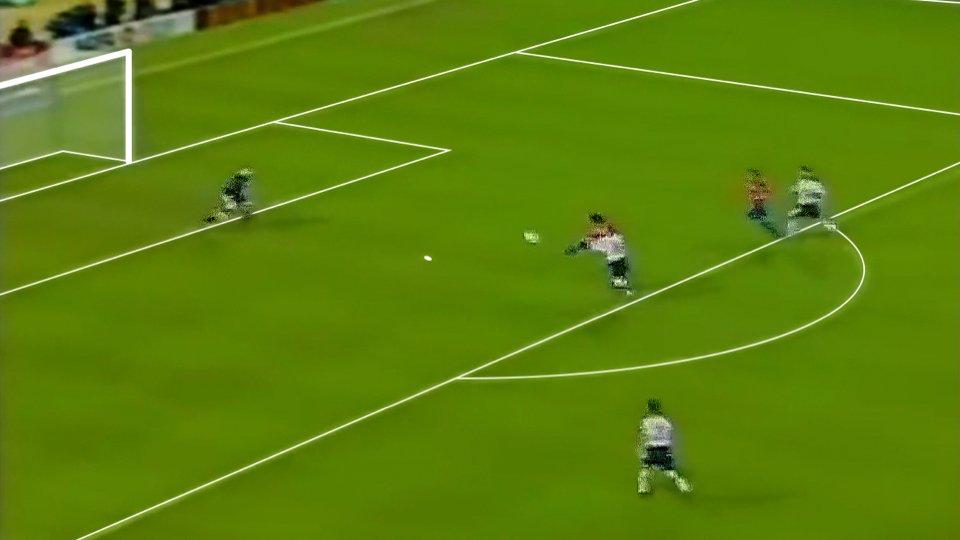
Salas cushions the 40-meter pass from Sierra with his left thigh as David Batty tries to block the shot.
44:33
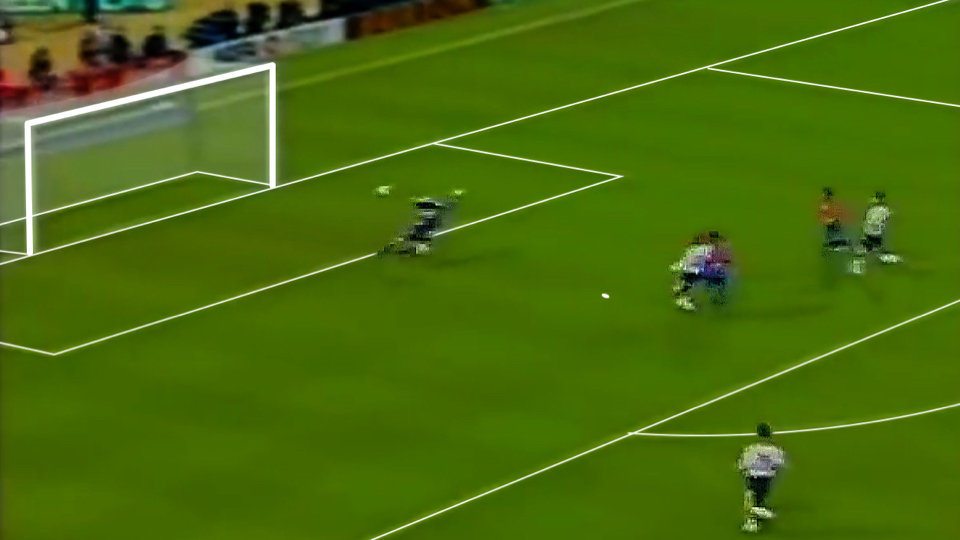
Without letting the ball bounce, the "Matador" unleashes a left-footed volley. Batty can only watch.
44:33
His shot is unstoppable. The ball rockets into the net as Wembley falls silent. Nigel Martyn dives in vain.
.png)
I received the ball in midfield, saw Marcelo sprinting, and placed the ball behind the defenders. That was my intention… Given the significance, it’s my best assist.
– José Luis Sierra
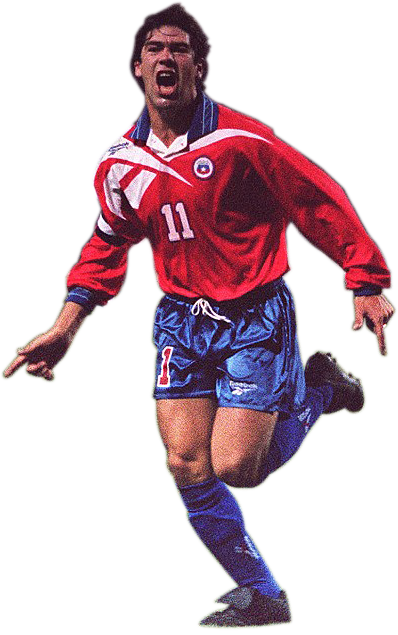
I looked back at ‘Coto’ (Sierra), then the long pass, which was incredible, landing behind the centre-backs. I remember cushioning it with my thigh and striking it with my left foot before it hit the ground.
– Marcelo Salas
The press praised Chile’s game plan and Salas’s performance. “No one
can stop the Matador,” headlined Don Balón magazine. The Chilean’s
forward week couldn’t have been better. He had recently settled his
way to the Serie A, though Manchester United and Sir Alex Ferguson
were on the verge of securing his goals.
Italian giants S.S. Lazio welcomed Salas to European football, making
him the second-highest-paid player in the league, only behind
“Phenomenon” Ronaldo, the Brazilian superstar at Inter Milan. His
prolific spell at River Plate earned him the 1997 South American
Footballer of the Year, where he netted over 30 goals and won four
titles during his time in Argentina: 1996 Apertura, 1997, Clausura,
Apertura and the Supercopa Sudamericana. He was also the second top
scorer in the South American qualifying for France’s 1998 World Cup,
scoring 11 goals in 12 matches, just one behind fellow countryman Iván
Zamorano.
Even Cesare Maldini, Italy’s head coach at the time and future Chilean
rival in the World Cup, praised Salas. “He’s a footballer in a
different class. I had heard a lot about him, but after seeing that
first half at Wembley, I think Lazio is buying pure gold,” he told Don
Balón.
Marcelo “Matador” Salas would go on to shine at the 1998 World Cup,
scoring four goals in four matches. He later cemented his place in
Lazio’s history, scoring 49 goals and winning six major titles
making this move to European giants Juventus Football Club. The rest
is history.
_1568x1113.jpg)
Sources: Don Balón Chile Magazine (Issue 300), Pepe Alvújar, Daily Mail, Soccernostalgia.blogspot.com, World Soccer, Emol.com, T13.cl, Zoom Deportivo (TVN), Espn.com.ar